Month: January 2024

Random Tidbits

Fall risk for those visually impaired


No Comments

Are people with cataracts, age-related macular degeneration (AMD) or glaucoma at greater risk of falls and fractures? The answer to this question is YES.

Cataracts, the most common cause of vision problems, make the normally clear lens of the eye cloudy. AMD is a progressive disease that damages the macula, a part of the retina that helps you see what’s right in front of you. And glaucoma, a leading cause of blindness in people over 60, is a group of conditions that damage an essential nerve in your eye.

Over a 13-year period, researchers examined the medical records of a group of patients who were, on average, around 74 years of age by the end of the study and found that the three diseases were almost equally culpable. The odds of falling were, on average, 33 percent higher among the vision impaired, as compared to those who didn’t have one of these eye diseases.

But there’s more at play. The study suggests that even relatively mild vision loss can affect balance, posture and gait, each of which is critical to avoiding falls.

That’s why it’s critical for people 65 and over to have a comprehensive eye exam every year or two, as recommended by the American Academy of Ophthalmology.

——

If you are 60+ and living in Marathon County who needs a ride to your next eye appointment, please give Faith in Action of Marathon County a call. Our phone number is 715-848-8783

Random Tidbits

National Winter Skin Relief Day 1/8/24


No Comments


𝐓𝐨𝐝𝐚𝐲 𝐢𝐬 𝐍𝐚𝐭𝐢𝐨𝐧𝐚𝐥 𝐖𝐢𝐧𝐭𝐞𝐫 𝐒𝐤𝐢𝐧 𝐑𝐞𝐥𝐢𝐞𝐟 𝐃𝐚𝐲.

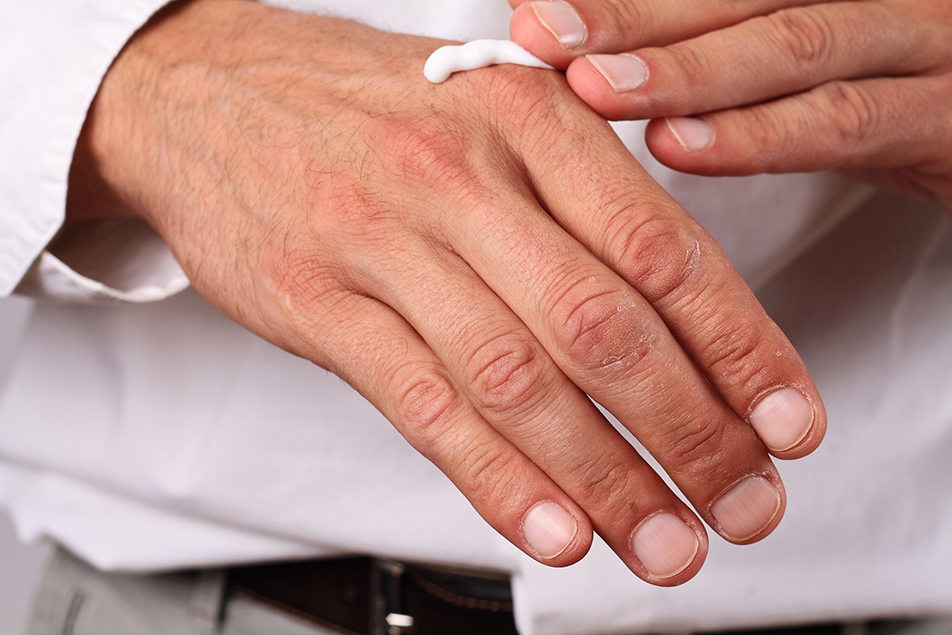
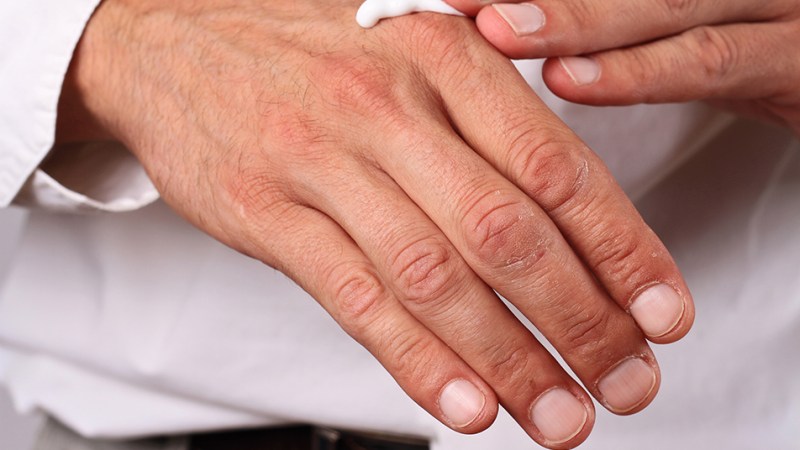
As winter kicks into high gear, National Winter Skin Relief Day on January 8 reminds us of all the ways we can keep our skin from withering under the harshest of elements. The dropping temperatures outside and rising thermostats inside sap the amount of moisture in the air. Our skin is first to notice.

Joshua Zeichner MD, Director of Cosmetic & Clinical Research at The Mount Sinai Hospital, makes a few recommendations to help us keep our skin hydrated through the winter.

-Avoid the temptation to take those long, hot showers. The heat strips the skin of its natural oils (called ceramides) and causes inflammation. The skin cells swell and when they dry they become loose like poorly grouted tiles and crack. Instead, take shorter, lukewarm showers.

-Use gentle cleansers. Harsh soaps with surfactants and claims of pH balance can be harsh on the skin. And don’t scrub! Be tender and let the water and lather do the work.

-Pat wet skin dry with a soft towel. Rubbing causes more irritation and inflammation. With the door closed to keep the humidity in, add a moisturizer.

-When dressing, wear layers. The closest layer should be made of natural fibers. Soft fabrics like flannel and cotton cause little to no irritation compared to synthetic materials. Layers also are more effective against cold weather.

-Our skin needs hydration at night, too. Adding humidity to the air with a cool-mist humidifier will not only hydrate your skin but will also provide more restful sleep.
_____________
If you are a FIAMC Care Receiver and are in need of moisturizer (or other grocery store needs), please call our office to schedule a transportation ride to and from a local store.

If this weather has you not wanting to leave your home, you can place an online pickup order with stores such as Walmart or Festival Foods where a Volunteer can pick up and then drop off your order. If you would prefer to go this route, please call our office to coordinate a time that works for both you and a FIAMC Volunteer.

Random Tidbits

Age-Related Macular Degeneration (AMD)


No Comments

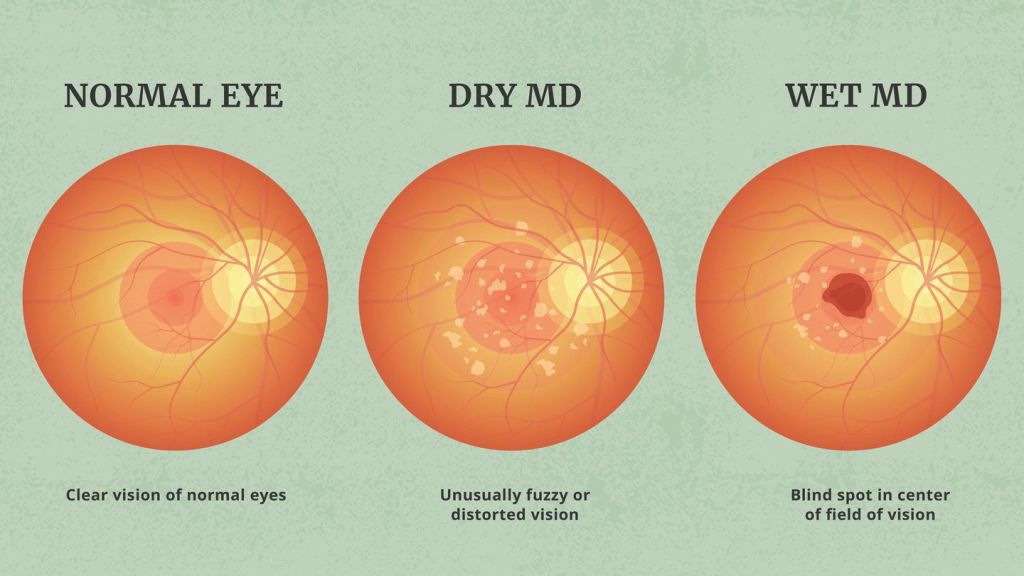
Did you know that age-related Macular Degeneration (AMD) is the leading cause of vision loss in people over 50? AMD, which afflicts nearly 20 million people in the United States, is a progressive eye disease that affects the central vision and, as a result, the ability to see fine details.

Below are 3 warning sides of AMD:

1. Blurriness

2. Straight lines appear wavy

3. Blank areas in your central vision

Regular visits with an ophthalmologist can detect AMD years before patients notice anything is wrong. Early detection of changes can lead to treatments that can slow progression or reverse vision loss in some cases of AMD.

____________

FIAMC can help transport Care Receivers to their eye appointments. Please call our office to schedule: 715-848-8783